
TEAM > Taylor Lander
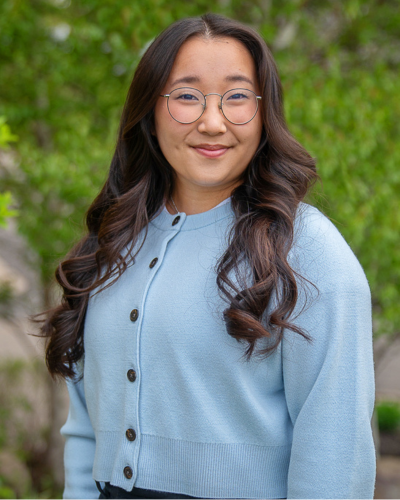
Taylor Lander
Doctoral Practicum Clinician
My approach to therapy involves both the practical elements of empirically-supported modalities such as Cognitive Behavioral Therapy and Acceptance and Commitment Therapy, as well as the environmentally nuanced aspects of Systems Theory and Psychodynamic Theory. I believe change occurs at both the individual and systemic level and I incorporate an intersectional perspective into therapy to better serve my clients from all walks of life.
I am committed to providing thoughtful, empathetic therapy to individuals navigating trauma, mood disorders, anxiety, and co‑occurring concerns, as well as challenges related to parental divorce, college adjustment, academic stress, and other significant life transitions. As life evolves, the demands we face can feel overwhelming when held alone. I believe that creating space to process these experiences within a supportive therapeutic relationship can open the door to meaningful insight, resilience, and lasting change.
I also enjoy working with adolescents as they move through the unique transitions of the teenage years, including concerns related to worry, low mood, peer relationships, academic pressures, and other stressors. Adolescence is a period marked by both growth and uncertainty—for teens and for their caregivers. I value collaboration with caregivers and strive to support the family system as a whole to promote a teen’s emotional well‑being. Additionally, as a therapist grounded in Systems Theory, I have a strong interest in working with couples and families, recognizing the powerful role that relationships and relational patterns play in shaping individual experiences.
In therapy, my goal is to offer clients practical tools and skills that foster hope, while thoughtfully identifying personal strengths and deeply held values that support meaningful change. I believe every individual possesses an inherent capacity for growth, even amid significant challenges. I strive to cultivate a collaborative and trusting therapeutic relationship in which clients feel supported, understood, and empowered. Collaboration is central to my work, and I view clients as the experts of their own lived experiences. By honoring this expertise, I aim to support clients in building a fulfilling, values‑driven life.
I have a bachelor’s degree in psychology and sociology from Hamline University and am pursuing my Doctor of Psychology degree (PsyD) from Augsburg University. I received training and supervision in a community mental health setting, conducting psychological assessments for individuals with a wide range of referral needs such as neurodevelopmental disorders, mood disorders, anxiety disorders, and trauma-related disorders. I also have research experience as a lab manager, meeting with Southeast Asian community members about their experiences of the opioid abuse crisis and encouraging translation and interpreter services in the medical field.
